
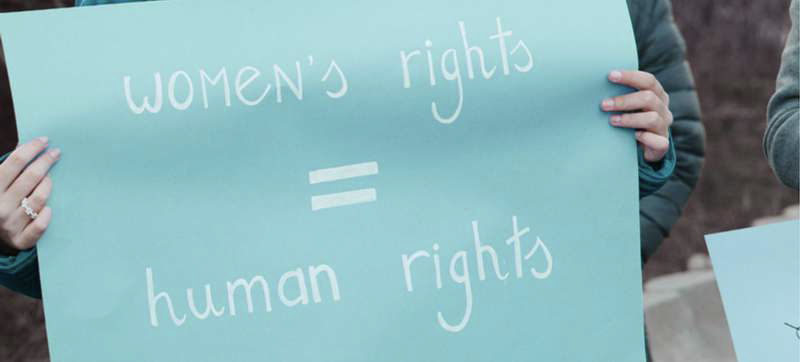
On 9 August 1956, around 20 000 women of all races and cultures marched to the Union Buildings in Pretoria, South Africa to protest against the extension of apartheid pass laws to be imposed on Black women. Upon arriving at the Union Buildings, they stood in silence for thirty minutes before singing what would become one of South Africa’s liberation songs:
“Wathint’ Abafazi, Wathint’ Imbokodo”
“You strike a woman; you strike a rock”
Seventy years later and democratic South Africa continues to commemorate the bravery and resilience of these women every August. Yet, beneath the commemorative speeches and celebration lies an important question: “Has South Africa effectively translated its progressive legal framework into meaningful protection and equality for women?”
There are two realities that co-exist regarding the socio-economic position of women in South Africa. The first reality is one of remarkable progress in that woman occupy positions once unimaginable under the apartheid regime. The second reality, however, is that economic inequality continues to affect women disproportionately.
The two realities are also seen when comparing South Africa’s constitutional ideals to the shocking lived reality of women navigating the ongoing pandemic of Gender-Based Violence and Femicide. South Africa continues to record alarmingly high levels of violence against women and children. Thousands of rape cases are reported to the South African Police Service every quarter, while many more incidents of domestic violence and sexual offences remain unreported due to fear, intimidation and lack of confidence in the criminal justice system. Survivors frequently encounter delayed police responses, inadequate investigations, lengthy court proceedings and insufficient psychosocial support. Many women experience secondary victimisation when reporting offences which discourages others from seeking justice.
Perhaps greater investment is required in specialised Sexual Offences Courts, survivor support services, forensic resources, police training and shelters, particularly within rural communities. Protection orders should be processed more efficiently, while repeat offenders should be monitored more effectively through criminal justice information systems.
Another women-specific crisis is period poverty which should be not merely a health issue. It is fundamentally an issue implicating constitutional rights of equality, human dignity, education and health care. For example, many learners continue to miss school during their menstruation phase due to the unaffordability of sanitary products and inadequate sanitation facilities. The South African government removed Value-Added Tax (VAT) on sanitary pads in April 2019 through amendments to the Value-Added Tax Act 89 of 1991 in recognition of this challenge. However, tampons and menstrual cups were initially excluded from the zero-rated list, and access to free menstrual products remains inconsistent across provinces. A comprehensive national menstrual health policy is needed to steer universal access of menstrual hygiene products in schools, clinics and community health centres.
The true legacy of Women’s Month lies not only in celebrating the extraordinary courage of the women who marched in 1956, but in honestly confronting the realities many women continue to endure today. Violence, unemployment, unequal economic opportunity, inadequate access to healthcare and period poverty remain barriers to the full realisation of constitutional rights. Hence, it is concluded that the words spoken outside the Union Buildings in 1956 remain not only a tribute to history, but a continuing call to action. “Wathint’ Abafazi, Wathint’ Imbokodo.” – May these words inspire not only remembrance, but responsibility.


