
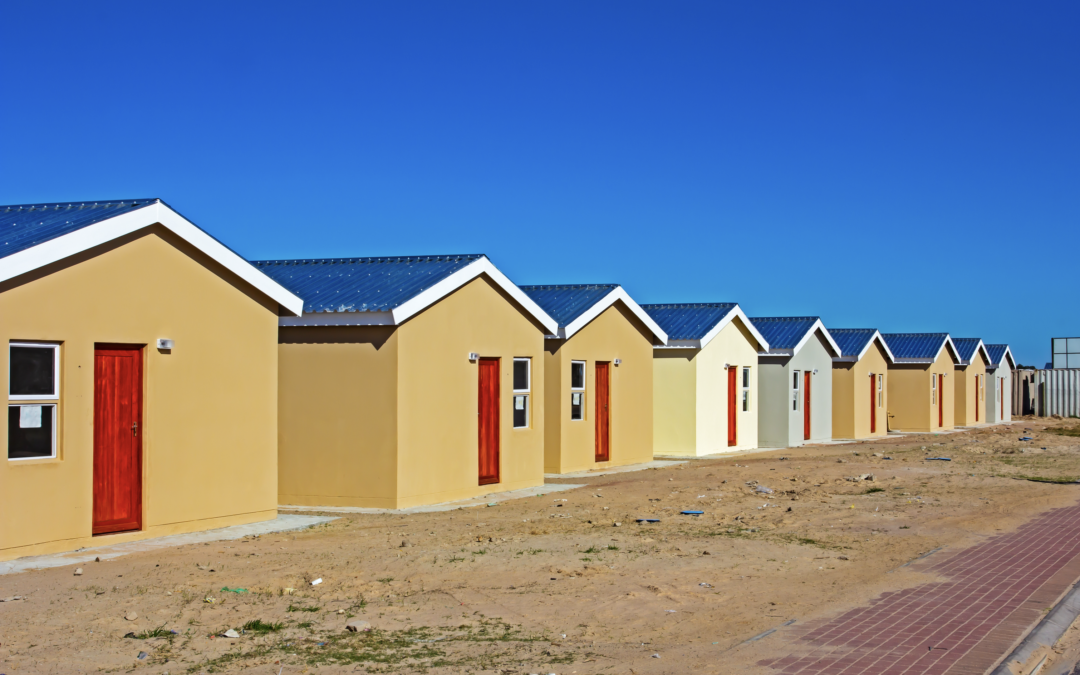
After South Africa’s first democratic election in 1994, the new government sought to redress the housing inequalities of Apartheid. The Reconstruction and Development Programme (RDP), enacted on 13 July 1994, aimed to provide adequate housing for previously disadvantaged communities. Funded through public resources, the programme became the largest government‑subsidised housing initiative in the world. According to the Department of Human Settlements, more than three million RDP houses had been delivered by 2016, benefitting over 20 million South Africans, and the figure has since grown closer to five million units.
Despite these achievements, the backlog in issuing title deeds remains severe, estimated at more than 900,000 nationally. KwaZulu‑Natal alone has delivered only 27,017 deeds since 1994, with over 105,000 still pending. Section 26 of the Constitution guarantees the right of access to adequate housing, and obliges the state to take reasonable steps to realise this right. Yet, delays of more than 20 years in transferring ownership undermine that constitutional duty. The absence of title deeds has created fertile ground for fraud. Without legal proof of ownership, beneficiaries struggle to protect their homes against corrupt officials, illegal occupants, and scammers who exploit the gap by selling or reallocating properties multiple times. This confusion erodes the very purpose of RDP housing which is to provide poor families with security and dignity.
The backlog also complicates estate administration. When an RDP homeowner dies without a title deed, heirs face significant obstacles in proving ownership. As a legal intern, I have managed several cases where families could not prove ownership, which delayed the transfer of a property. The Master of the High Court and the Deeds Office cannot easily register such properties, leaving families in limbo. While organisations such as ProBono.Org assist with drafting wills, the absence of deeds continues to delay transfers and destabilise households.
Legal protections exist under the Prevention of Illegal Eviction from and Unlawful Occupation of Land Act 19 of 1998 (PIE Act), which prohibits unlawful evictions and sets out procedures for removing occupiers. However, many RDP beneficiaries are unaware of these rights, leaving them vulnerable to displacement.
Without title deeds, families cannot prove ownership, are exposed to fraud, risk unlawful eviction, and face difficulties in securing inheritance rights. Until the state resolves this backlog, RDP housing will fall short of its promise to provide lasting stability and dignity to South Africa’s poorest communities.


