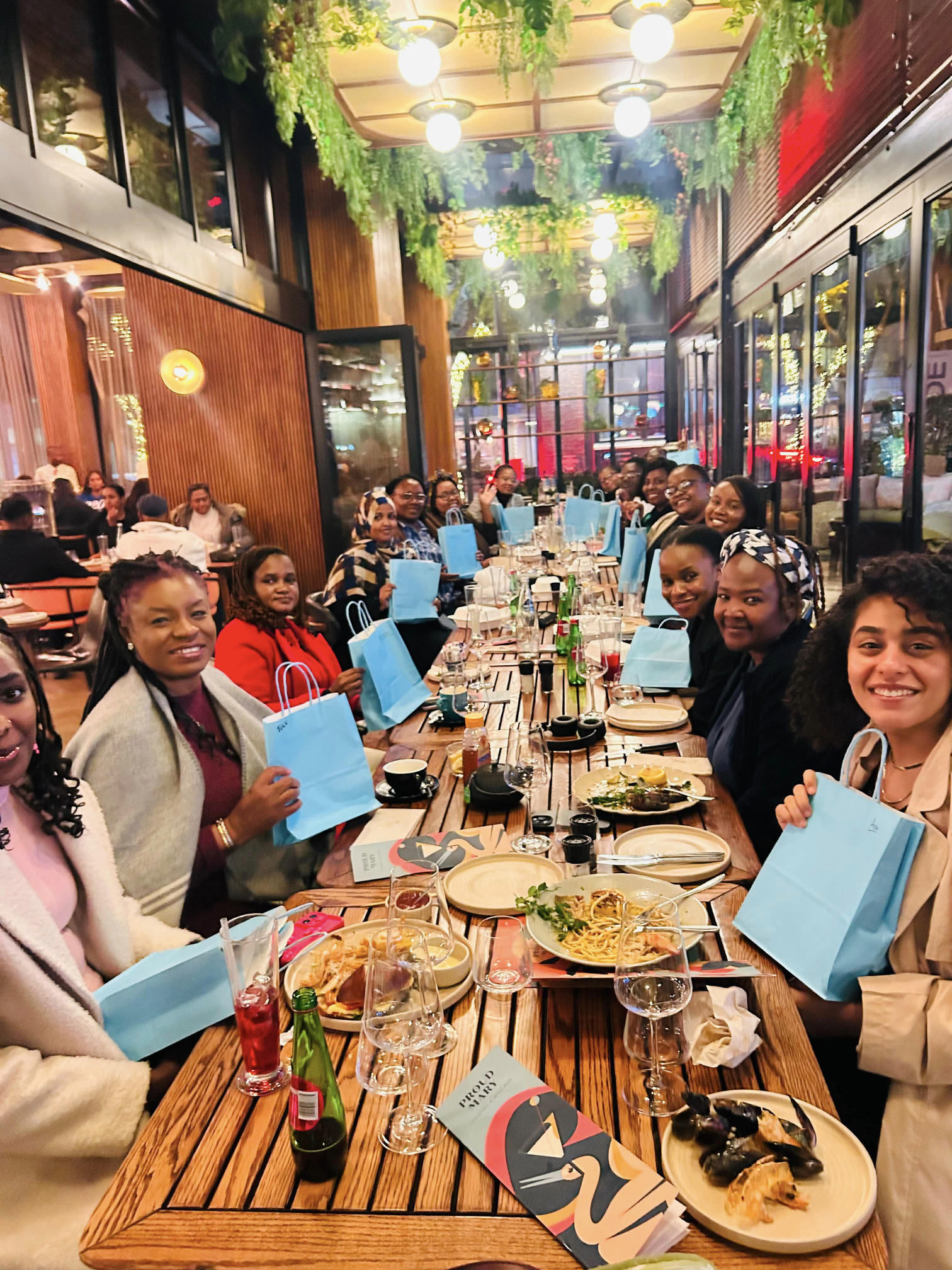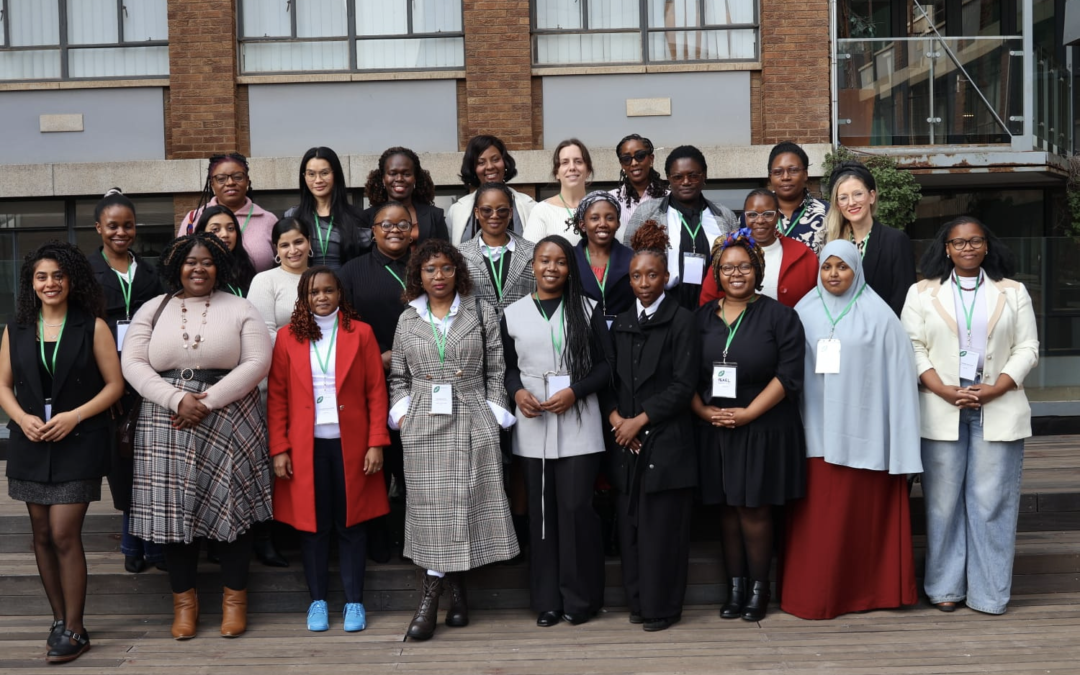
ProBono.Org Durban attended the Women in Immigration Detention Mini Institute for migrant lawyers, a two-day conference held from 19 to 20 May 2026. The event was hosted by the Initiative for Strategic Litigation in Africa (ISLA) in collaboration with Lawyers for Human Rights (LHR). It brought together female legal practitioners, legal researchers, academics, social workers, and other human rights activists from countries including Kenya, Botswana, Sudan, and Nigeria to discuss the challenges facing women in immigration detention and to strengthen efforts to protect their rights.
LHR attorney Zekhethelo Cele explored the historical and legislative context of women in detention, barriers to documentation, and the need to approach migration and litigation from a gendered and rights-based perspective. LHR attorney Nyelethi Baloyi explained that women in immigration detention are often left vulnerable to sexual abuse and other forms of bodily violence, while little protection is available for unaccompanied and separated minors, persons with disabilities, LGBTQI+ persons, and pregnant and lactating mothers. Advocate Achieng Orero (Kenya) emphasised the importance of feminist and intersectional approaches to strategic litigation, particularly in recognising how legal issues affecting women intersect with race, gender, disability, and migration. She noted that effective strategic litigation requires an enabling legal framework, a knowledgeable and willing judiciary, a feminist strategic litigator, and public awareness.
Dr Michelle Maziwisa of the Centre for Human Rights discussed the role of lawyers in engaging clients with empathy, avoiding re-traumatisation, and maintaining confidentiality during evidence gathering. LHR Deputy Director Kayan Leung highlighted the importance of every stakeholder within the litigation ecosystem and the value of effective referral pathways. Advocate Tamika Thumbiran explained that comparative jurisprudence can be persuasive and can strengthen domestic litigation. She also stressed the importance of combining lived experience with expert knowledge. Thumbiran encouraged migrant lawyers to see themselves as knowledge producers by drawing on African legal sources as comparative jurisprudence, identifying structural harms, and applying a human rights-based approach. Mashoabathe Noko of the Foundation for Human Rights added that strategic litigation must adopt an intersectional and rights-based approach that works alongside the communities it seeks to empower. She further emphasised that movement-building depends on community, accountability, and meaningful partnerships.
ProBono.Org Durban was grateful for the opportunity to participate in this meaningful engagement and looks forward to further collaboration with the network.