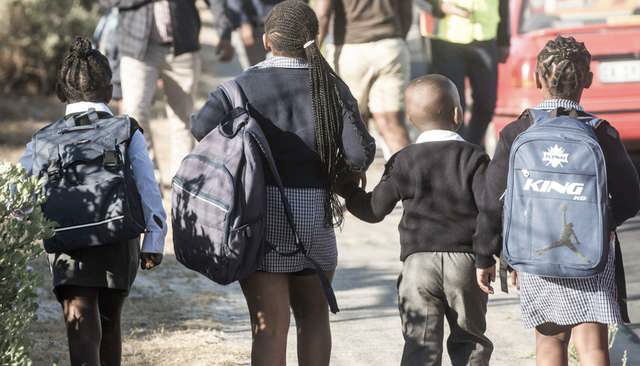
The protests outside Addington Primary School in Durban during January 2026 reignited a difficult national conversation regarding immigration, access to public education and the rights of undocumented children.
The protests were reportedly linked to concerns that migrant learners were being prioritised over South African learners, despite data presented by the KwaZulu-Natal Department of Education indicating that most of the school’s enrolment consisted of South African citizens. The events resulted in many learners avoiding school following protests concerning the placement of children at the school.
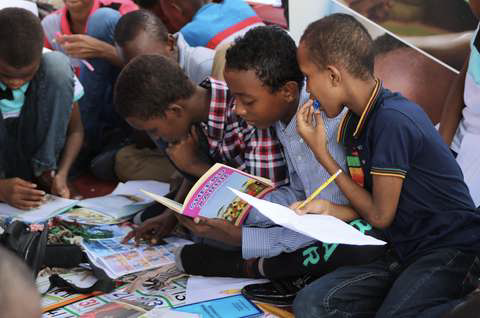
While the debate surrounding immigration and access to public resources is not a new one, the events at Addington raise important questions about the rights of children within South Africa’s constitutional framework. They invite consideration of how the state should balance concerns regarding immigration and limited educational resources with its obligation to protect the rights of every child, including South African, migrant, refugee, asylum-seeking and undocumented children.
While the debate surrounding immigration and access to public resources is not a new one, the events at Addington raise important questions about the rights of children within South Africa’s constitutional framework. They invite consideration of how the state should balance concerns regarding immigration and limited educational resources with its obligation to protect the rights of every child, including South African, migrant, refugee, asylum-seeking and undocumented children. Unlike many socio-economic rights in the Constitution, the right to basic education is immediate and unqualified. Section 29(1)(a) states that “everyone has the right to a basic education”. The use of the word “everyone”, rather than “citizens”, is significant. It indicates that the right is not limited to South African citizens and extends to children within South Africa, including children of migrants, refugees and undocumented learners.
The right to education must also be considered alongside section 28(2) of the Constitution, which provides that a child’s best interests are of paramount importance in every matter concerning the child. Together, these provisions demonstrate the importance that the Constitution places on ensuring that children are able to access education and that their interests are carefully considered when decisions affecting them are made. The discussion surrounding children’s access to education must, however, take into account the different legal statuses of children living in South Africa. The terms migrant, refugee, asylum seeker and undocumented person are sometimes used interchangeably in public discourse, although they describe different legal circumstances.
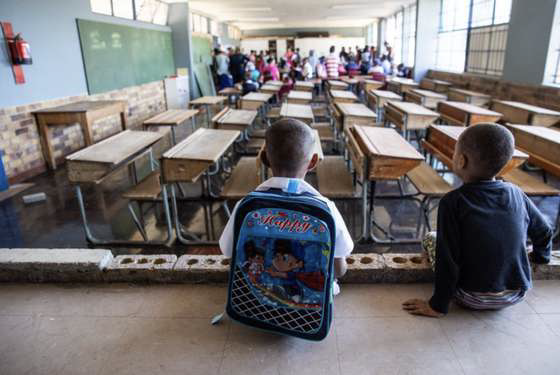
An immigrant child refers to any child who emigrates from their country of origin to live in a new country, while a refugee is a person who has fled their country of origin due to a well-founded fear of persecution or threats to their life and is recognised as requiring protection under the Refugees Act 130 of 1998. An asylum seeker is a person who has sought protection in South Africa and whose application for refugee status has not yet been finally determined. An undocumented child may be unable to produce the documentation required to establish their lawful status in the country.
These distinctions are relevant because the legal frameworks governing immigration and refugee protection differ depending on a person’s status. Section 27 of the Refugees Act, for example, provides recognised refugees certain basic rights, including access to education. However, when considering children’s access to basic education, the broader constitutional question remains whether differences in immigration status should determine whether a child can access a public school.
The position of undocumented children in relation to access to education was considered in Centre for Child Law and Others v Minister of Basic Education and Others (2020), where the High Court considered policies that effectively prevented undocumented children from enrolling in public schools. The Court held that documentation requirements should not operate as an absolute barrier to accessing basic education and declared aspects of the admission policy inconsistent with the Constitution.
The significance of this judgment extends beyond school admission policies. It demonstrates that while administrative and documentation requirements may serve legitimate purposes, their application must be considered alongside the constitutional rights and best interests of children. Children do not determine their own immigration status, and the circumstances surrounding their documentation may often be beyond their control. The legal framework therefore requires careful consideration of how administrative requirements affect a child’s ability to access basic education.
South Africa’s constitutional obligations are further informed by international law. Section 39(1)(b) of the Constitution requires courts, when interpreting the Bill of Rights, to consider international law. South Africa has ratified the United Nations Convention on the Rights of the Child (CRC), which recognises the right of every child to education without discrimination (Articles 2 and 28), as well as the African Charter on the Rights and Welfare of the Child (ACRWC), which similarly protects children’s right to education (Article 11).
These international instruments, read alongside the Constitution, reinforce South Africa’s commitment to protecting children’s rights and ensuring access to education without discrimination irrespective of nationality or immigration status.
Concerns have been expressed about the pressures facing South Africa’s public education system, including overcrowded classrooms, limited resources and infrastructure constraints, as well as the state’s capacity to provide quality education to all learners. These concerns raise legitimate questions about how limited educational resources should be managed and allocated in a manner that is fair, sustainable and consistent with the state’s constitutional obligations.
The challenge, therefore, lies in finding an appropriate balance. On the one hand, the state has a responsibility to manage immigration effectively and to ensure that public resources are allocated responsibly. On the other hand, the constitutional framework requires that children’s rights and best interests remain an important consideration in decisions affecting their access to basic education.
The events at Addington Primary School highlight the tension between pressures on public education, immigration management and children’s constitutional rights. Although concerns about overcrowding, limited resources and immigration are legitimate, the state must address them within a framework that protects every child’s rights and best interests.
Ultimately, the rights of South African, migrant, refugee, asylum-seeking and undocumented children form part of the broader constitutional commitment to dignity, equality and access to basic education. Upholding these principles affirms not only the rights of individual children but also South Africa’s commitment to constitutionalism, the rule of law and the values upon which the democratic republic is founded. While immigration remains a legitimate area of government regulation, constitutional protections do not disappear because an issue is politically debateable. The events at Addington serve as a reminder of the importance of maintaining this balance and of ensuring that, in navigating complex social and policy concerns, the rights of children remain an important consideration.