
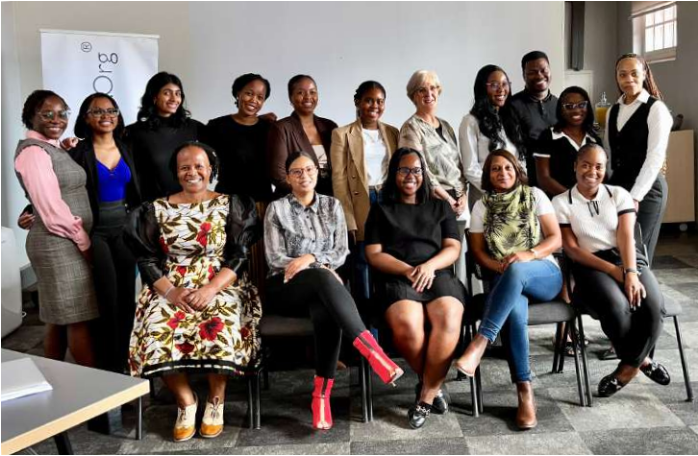
Legal practitioners are increasingly called upon to assist in Children’s Court matters, often with limited exposure to the unique procedures, statutory framework, and practical realities of this forum. To support attorneys in developing the necessary skills and confidence, ProBono.Org’s One-Child-A-Year (OCAY) project hosted a practice-orientated workshop on 30 January 2026.
This interactive workshop was designed to upskill legal practitioners who are new to Children’s Court practice, as well as those seeking to deepen their understanding of the process. The focus was on the most common scenarios encountered in practice, with practical guidance on what to expect when accepting Children’s Court matters and how to prepare effectively.
The workshop was presented by Elsabe Steenhuisen and Daphne Makombe, experienced members of the OCAY team.
Session 1
An overview of how OCAY staff engage with practitioners, including what attorneys can expect when receiving a case memorandum or brief, and the practical next steps to be taken. Participants received an explanation of the relevant legislative framework, including the Children’s Act, the applicable regulations, and prescribed forms. The session covered the types of matters a Children’s Court may adjudicate (section 45), as well as the orders it may make (section 46).
The process of initiating Children’s Court proceedings was explained in detail, including applications in terms of sections 22(4)(b), 23, 24, 26(1)(b), and 28, with specific reference to Form 2 of the Justice Regulations in the Children’s Act. Attention was given to the contents of a Children’s Court file, the role of the designated social worker, and the involvement of other interested parties.
Session 2
Substantive issues central to Children’s Court practice, including the best interests of the child, child participation, and children in need of care and protection. The session further addressed parental responsibilities and rights, parenting plans, parental responsibilities and rights agreements, and the position of unmarried fathers under the Act.
The training ended with a question-and-answer session, allowing participants to clarify practical concerns and engage directly with the presenters and other experienced colleagues present.
After lunch, representatives from Constitution Hill – Heritage, Education and Programmes, Lerato Sehume and Zwi Ramashia took the attendees on a scheduled site tour of the Old Women’s Jail and the Constitutional Court.
This workshop offered an invaluable opportunity for practitioners to strengthen their Children’s Court practice and contribute meaningfully to the protection and promotion of children’s rights.


